

Endometriosis affects up to 1 in 10 women of reproductive age, but many women received delayed diagnoses of up to 6.5 years due to the fluctuating nature of the condition over time

The endometrial tissue deposits grow under the same cyclical and menstrual changes associated with a women’s menstrual cycle, and as such symptoms may arise when these deposits become more active, and they may also bleed at the same time as your menstrual cycle.
The causes of endometriosis are generally unknown, and while we do have some theories as to how the problem may arise, we do know that it can run in families.
While, period pain is common, symptoms of endometriosis include:
Endometriosis affects up to 1 in 10 women of reproductive age, but many women don’t get a diagnosis for up to 6.5 years due to the fluctuating nature of the condition over time.1 Your Evoca GP will take the time to carefully explore your symptoms and signs and evaluate whether Endometriosis could indeed be the cause. Early diagnosis and treatment are key to mitigating the severity and complications of the disease.
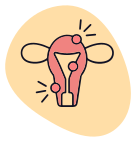
At Evoca, your GP will be able to facilitate a thorough assessment, any necessary investigations, and a treatment plan tailored to your needs, bringing in allied health providers such as physiotherapists and dieticians where needed. Your GP can assist in creating GP management plans and team care arrangements for your endometriosis management, to ensure a holistic multidisciplinary team.

1 https://www.endometriosisaustralia.org/



Keep a symptom diary and share this with us

Keep a record of the contraceptive options you have tried and what effect they had on your symptoms

Make a note of how the symptoms affect your work and social life, and share this with us

Bring information or results of any tests you have had done in relation to the symptoms


General Practitioner


General Practitioner

General Practitioner
General Practitioner

General Practitioner
General Practitioner

General Practitioner

General Practitioner

General Practitioner
General Practitioner

Specialist Obstetrician and Gynaecologist
General Practitioner
General Practitioner

General Practitioner
General Practitioner
General Practitioner
General Practitioner
General Practitioner
General Practitioner

General Practitioner

General Practitioner
Treatments for endometriosis have come a long way over the years. Hysterectomy is very much a last resort, and the main stay of treatment is around hormonal therapies in the first instance, which suppress endometrial tissue activity.
If endometriosis goes untreated, its cumulative effects can cause adhesions and scarring which may affect fertility. However, this does not occur in all cases. Family planning is an important consideration when diagnosing and managing endometriosis.
1 https://www.jeanhailes.org.au/health-a-z/endometriosis/fertility
The gold standard of diagnostics for endometriosis is a surgical keyhole procedure called a laparoscopy, which directly looks for deposits of endometrial tissue outside the uterus on the pelvic organs. However in recent years specialist sonographers have been able to detect on ultrasound scan some manifestations of endometriosis such as nodules and chocolate cysts. These are specialist clinics who provide this type of ultrasound and your Evoca GP may request this type of test for you
2 Reference: https://www.jeanhailes.org.au/health-a-z/endometriosis/diagnosis



























 Pelvic Pain & Period Management